
Panels and service
Solar electrical work in the Phoenix Valley
The electrical side of a solar system: the interconnection at the panel, the AC and DC disconnects, and the fixes a solar company leaves behind. Shane handles the part the installer cannot pass inspection without.
- Interconnection
- Backfed breaker, tap or new panel
- Common fix
- A panel too small for the backfeed
- Pricing
- Quoted per job
Signs the solar job needs panel work
- The solar company says my panel cannot take the system.
- The install failed inspection and I have a correction notice.
- I want a battery and I do not know what the panel needs.
- The utility will not let me turn the system on until the labels are fixed.
What the solar electrical work involves
Solar power has to tie into the house somewhere, and that tie-in is where most of the electrical work sits. The simplest method is a backfed breaker in the main panel. The code limits it with the 120 percent rule: on a 200 amp bus with a 200 amp main, the solar breaker can be 40 amps, placed at the far end of the bus from the main.
When the system is too big for that, there are two other routes. A supply-side tap connects the solar between the meter and the main breaker. A new panel with a higher-rated bus gives the backfeed room.
What the solar electrical work costs
Prices on these pages are typical ranges for Phoenix Valley homes. Shane gives you the real number in writing after he sees the job.
How it is priced
Solar electrical work is quoted per job after Shane sees the system plans and the panel.
The interconnection method decides most of the cost. A backfed breaker is a small job. A supply-side tap or a new panel is a bigger one, and a battery adds its own subpanel.
What moves the number
- Interconnection method
- A backfed breaker is the simple one. A line-side tap or a new panel with a solar-ready bus costs more.
- Panel condition
- Many solar jobs stall because the panel is full or rated too low. Shane tells you up front if the panel is the real job.
- Utility requirements
- SRP and ED3 have their own disconnect and labeling rules. Doing it their way the first time saves a failed inspection.
How the options compare
| Backfed breaker | Supply-side tap | New panel | |
|---|---|---|---|
| How it ties in | A breaker in the main panel, at the far end from the main | Between the meter and the main breaker | A panel with a bus rated for the backfeed |
| Size limit | The 120 percent rule on the bus | The service conductors and the tap rules | Set by the new bus rating |
| When it fits | Small to mid-size systems | Larger systems on a panel with no room | An old or undersized panel |
| Relative cost | Lowest | Middle | Highest |
Get a written price for your solar electrical work.
Send the form with your installer's name, and Kai calls back the same business day to set a time for Shane to see the panel.
What the price includes
What is included
- Disconnects, labeling and the interconnection at the panel
- Load calculation and panel work if the system needs it
- Coordination with your solar installer and the utility
- Permit and inspection for the electrical scope
- Placard of all power sources at the service
What is not included
- Solar panels, inverters or racking
- Roof work
- The solar company's own permit
How the job goes
- 1
Plan review
Before the visit Send the solar plans or the installer's scope, plus the correction notice if there is one.
- 2
Panel visit
Within a few days of your call Shane checks the bus rating, the main breaker and which interconnection fits.
- 3
Electrical work
On the installer's schedule Panel work, disconnects and labels done around the solar crew's dates.
- 4
Inspection and utility
One to three weeks after install The city inspects, then the utility reviews the system and gives permission to turn it on.
The number on the quote is the number on the invoice.
Permits, inspection and code
Solar systems carry their own permit, usually pulled by the solar company, and the electrical scope rides on it or on a separate electrical permit depending on the office.
The permit office and the utility change by city. We cover Ahwatukee, Maricopa, Mesa, Queen Creek and Apache Junction.
What code asks for
- With a backfed breaker, the main breaker and the solar breaker together cannot exceed 120 percent of the bus rating, and the solar breaker sits at the opposite end from the main.
- A supply-side tap connects between the meter and the main breaker and needs its own disconnect.
- The service needs a permanent placard or directory showing every power source on the property.
What customers say
Quoted word for word.
Good choice! Shane provided me a good service, quite quickly, and for a very fair price. Give him a try.
The license and the record
- Arizona ROC license
- 326650, class R-11
- BBB rating
- A+, zero complaints
- In business
- Since 2007
- Estimates
- Free, in writing
Questions about solar electrical work
Anything else, call (602) 879-5489 or send the form below.
Why does my solar installer need a separate electrician?
Some solar companies subcontract the panel work or will not touch an older panel. Shane does the part that has to pass the electrical inspection.
Can you fix a solar install that failed inspection?
Yes. Most failures are labeling, disconnect placement or a panel that was never rated for the backfeed. Send us the correction notice.
Do you install solar panels?
No. We do the electrical. If you need a full system we will tell you who we trust.
Will my panel need an upgrade for solar?
Not always. If the system fits under the 120 percent rule, a backfed breaker in the existing panel works.
Related work
Jobs that often come up with the solar electrical work.
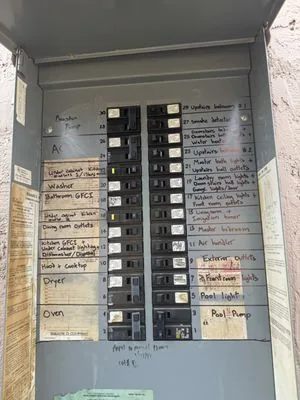
100 to 200 amps
Panel upgrades
100 to 200 amp service changes, new breakers, and panels that have run out of room.
Details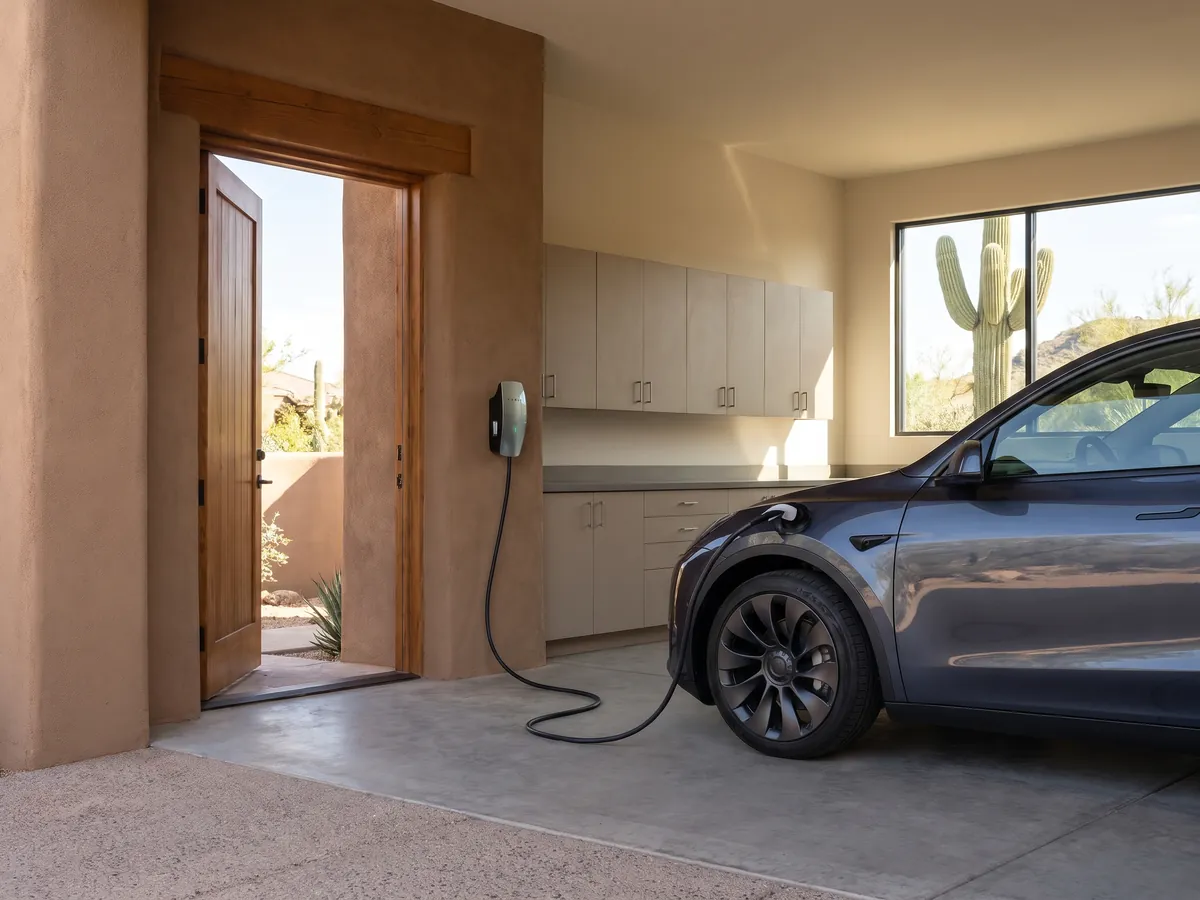
Level 2, 240 volts
EV charger circuits
A 240 volt circuit to the garage for a level 2 charger, sized to your panel.
Details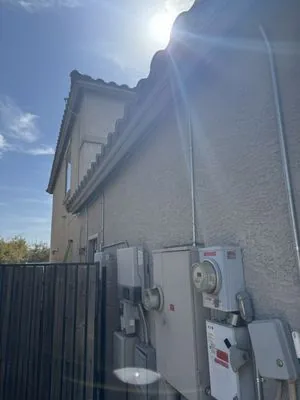
20 amps on 12 AWG copper
New circuits and outlets
Dedicated circuits for garages, kitchens, workshops and anything that keeps tripping.
Details
Get a free estimate on solar electrical work.
Send the form and Kai calls or texts back to set a time. Shane looks at the actual job and writes the price. No charge for the visit.
What happens next
- Kai gets back to you the same day.
- Shane comes out and looks at the actual panel, circuit or roofline.
- You get the price and the install date in writing.
Rather talk? Call (602) 879-5489.